How to Prepare for Your First Marathon
Running your first marathon is a huge undertaking. The 42.2km on race day is only one part of the challenge. The real work happens during the weeks and months beforehand, when you build the fitness, confidence and habits that will get you to the finish line.
You don't need to be the fastest runner in the field. You need to be prepared.
Build a consistent running routine
Before worrying about marathon pace, focus on consistency.
A good marathon build gradually increases your running volume while allowing enough recovery between harder sessions. Most of your running should feel comfortable, with some faster or more challenging sessions included where appropriate.
If you're new to running, give yourself plenty of time to build your base before starting a dedicated marathon programme. Increasing distance too quickly can increase the risk of getting injured or excessively fatigued.
The goal is to arrive at race day healthy.
Make the long run your priority
The long run is one of the most important parts of marathon preparation.
It teaches us what it feels like to spend a long time on our feet and gives us the opportunity to practise pacing, hydration and fuelling.
You don't need to run 42.2km every weekend. In fact, most marathon training plans use progressively longer runs before reducing the workload during the final weeks.
The long run isn't about proving how far you can go every week. It's about gradually becoming comfortable with spending more time running.
Practise your fuelling
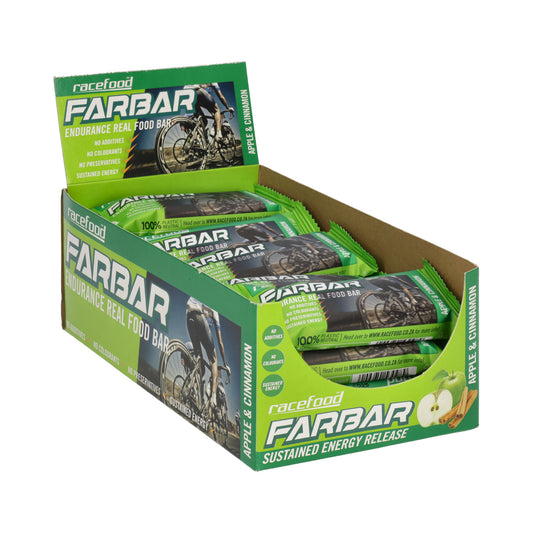
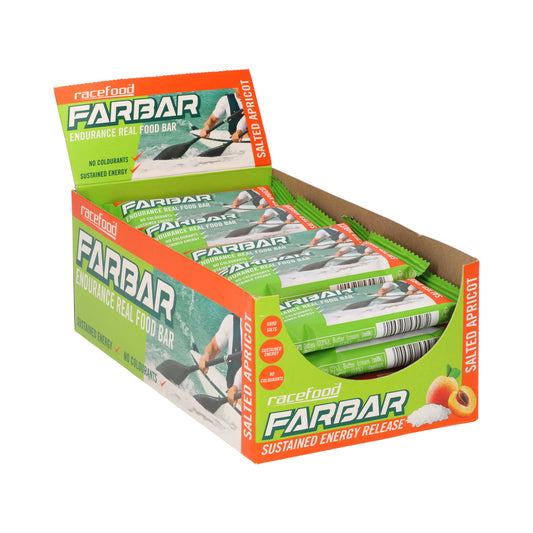
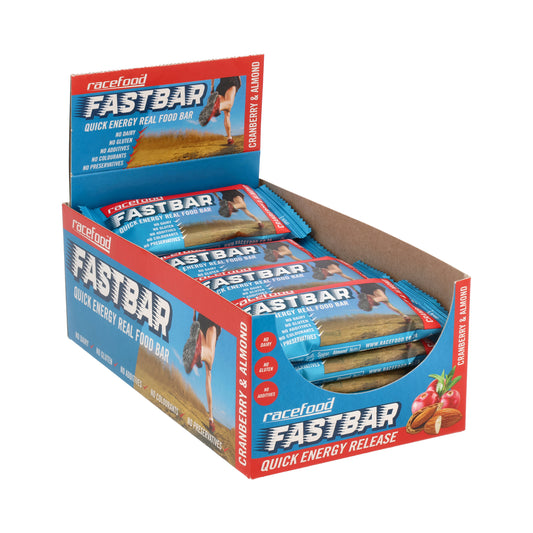
A marathon can take several hours, so fuelling needs to be part of the plan.
Carbohydrates are an important source of energy during endurance exercise. During your longer training runs, practise taking on carbohydrates and fluids at regular intervals so you know what works for you.
This is also the time to test the products you plan to use on race day.
Don't wait until kilometre 30 of your first marathon to discover that your fuelling strategy doesn't agree with you.
Don't forget hydration
Hydration is another part of marathon preparation that needs practice.
How much fluid you need depends on factors such as your body size, running intensity, weather and individual sweat rate. Rather than following one universal rule, practise drinking during longer runs and learn what works for you.
On hot days or during particularly long sessions, your electrolyte intake may also need consideration.
Respect recovery
Training doesn't make us fitter on its own. Recovery allows our bodies to adapt to the training we're doing.
Sleep, adequate nutrition, hydration and easier days are all part of the programme.
If you're constantly exhausted, struggling to complete normal training or developing persistent pain, that's a sign to reassess the workload rather than simply pushing harder.
More isn't always better.
Prepare for race day
A marathon is much easier when race day doesn't contain unnecessary surprises.
Practise your breakfast. Test your shoes and clothing. Know where the aid stations are. Understand the course and have a rough pacing and fuelling strategy.
Most importantly, don't suddenly change everything because it's race day.
The marathon isn't the time to try something completely new.
Don't race the first 10km
One of the biggest mistakes first-time marathon runners make is starting too quickly.
The beginning can feel easy because you're rested, excited and surrounded by hundreds or thousands of other runners.
Remember that the race is 42.2km.
A controlled start gives you a much better chance of having enough energy later in the race, when things inevitably become harder.
Enjoy the process
Your first marathon isn't just about the finish time.
It's about every early morning run, every long session, every difficult day and every small improvement that gets you there.
There will probably be moments during training when you question whether you're ready. That's normal.
Stay consistent, build gradually, fuel properly and give yourself enough time to prepare.
When you finally reach the finish line, you'll realise that the marathon wasn't built in those 42.2 kilometres.
It was built one training run at a time.