How to Improve Your Long-Distance Swimming
Long-distance swimming is as much about efficiency and patience as it is about fitness.
Whether you're training for an open-water event, a long pool swim or simply trying to extend the distance you can comfortably cover, improving your endurance comes down to building the right habits over time.
The goal isn't just to swim harder.
It's to learn how to swim further, more efficiently and with better control.
Build your distance gradually
If you want to swim further, you need to give your body time to adapt.
Rather than dramatically increasing your distance from one week to the next, gradually extend some of your sessions. This gives you the opportunity to develop your aerobic fitness while becoming more comfortable with spending longer periods in the water.
Not every session needs to be long.
A combination of easier swims, technique work and longer endurance sessions can be more effective than simply swimming as far as possible every time you enter the pool.
Focus on efficiency
When you're swimming for a long time, small inefficiencies can become significant.
A stroke that feels slightly rushed, unnecessary movement through the water or poor body position can all contribute to wasted energy over a long distance.
Focus on maintaining a smooth stroke and relaxed technique. Your aim should be to move through the water efficiently rather than fighting it.
This is where drills can be useful. Spend time working on your catch, body position, breathing and rotation instead of treating every session as a race.
Learn to control your pace
One of the biggest mistakes we can make in endurance swimming is starting too fast.
The first few hundred metres can feel easy because we're fresh. But the pace that feels comfortable at the beginning may become extremely difficult later in the session.
Practise starting conservatively and settling into a sustainable rhythm.
Over time, you'll develop a better understanding of what different efforts feel like, which makes pacing much easier.
Train your breathing
Breathing becomes increasingly important as distance increases.
Work on developing a breathing pattern that allows you to remain relaxed without disrupting your stroke. In open water, practise sighting without lifting your head excessively and learn how to breathe comfortably in different conditions.
The objective isn't to hold your breath for longer.
It's to make breathing feel natural and controlled while maintaining your rhythm.
Fuel longer sessions
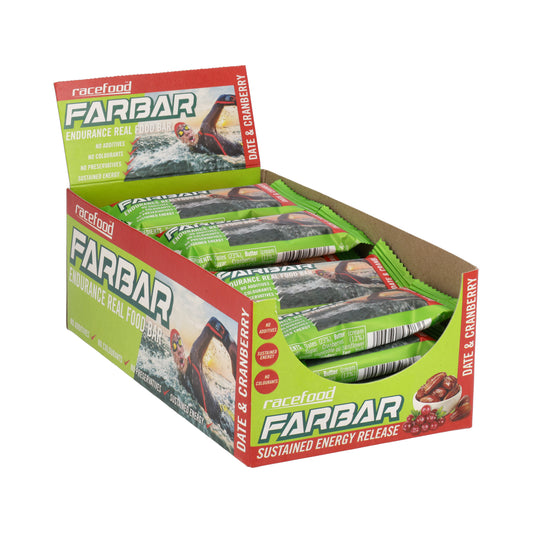
As your swimming distance increases, nutrition becomes more important.
Long sessions require energy, and carbohydrates are an important fuel source for endurance exercise. For shorter swims, you may not need to consume anything during the session. As sessions become longer, however, practising how and when to take on carbohydrates and fluids can become useful.
Just like running or cycling, don't wait until race day to test your fuelling strategy.
Practise during training and find what your body handles comfortably.
Get comfortable in open water
Pool swimming and open-water swimming aren't identical.
If you're preparing for an open-water event, spend time practising in the conditions you'll actually face. Learn how to sight, swim around other people, deal with changing conditions and maintain your rhythm when you can't simply push off a wall every 25 or 50 metres.
Safety should always come first in open water. Swim in appropriate locations and conditions, follow local guidance and avoid swimming alone in environments where assistance may be difficult to access.
Recovery still matters
Swimming can feel low-impact compared with some other endurance sports, but long sessions still place demands on your body.
Give yourself time to recover between harder sessions. Sleep, nutrition and hydration all contribute to your ability to train consistently.
The aim isn't to make every swim difficult.
It's to make your training sustainable.
Think long term
Improving your long-distance swimming isn't about finding one secret workout.
It's about accumulating weeks and months of consistent training.
Build your distance gradually. Improve your technique. Learn to pace yourself. Practise your breathing and fuelling. Spend time in the conditions you'll encounter on race day.
Eventually, a distance that once seemed intimidating starts to feel manageable.
The secret to swimming further isn't always swimming harder. It's learning how to waste less energy and keep moving for longer.